

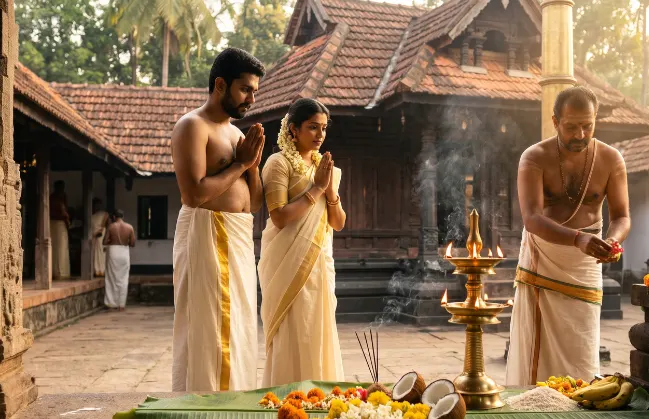
Pooja for childless couples is an old custom in Kerala, and many families raise it the day treatment begins. The trouble is that couples end up keeping two calendars. One is full of scan dates and injection timings; the other of temple days, an elder has suggested. This guide shows how faith and medicine can sit side by side and where the doctor’s word has to come first.
Table Of Contents:Santhana means offspring, so santhana pooja in Kerala is simply prayer offered for a child. Families usually settle on a pooja for child blessings after speaking with a priest, who tailors the ritual to the couple’s situation. One temple in Palakkad district says it welcomes devotees of any background and names fertility among the worries people bring, next to marriage delays and family strain.
The short answer for anyone searching late at night: yes, prayer and treatment can run together, as long as no ritual interferes with what your doctor has asked you to do.
Start with one rule. Fertility treatment decisions belong to your doctor, ritual decisions belong to you, and the two should never fight over the same slot in the diary. If a scan, an injection, or a procedure is booked, that appointment stays put and the temple visit moves. Temples publish their darshan hours, so a visit can usually be shaped around clinic days.
Tell your doctor about any fast, special diet or herbal offering you plan to follow. Some procedures come with instructions on food and fluids, and a vow that means a full day without water could clash with them. A doctor who knows your plans can suggest a day that causes no trouble. Telling them costs nothing.
Small habits tend to last longer than one big ritual. A lamp lit at home on a non-clinic morning, a quiet weekend visit, nothing that needs travel in a procedure week. Cycles shift without warning, and a routine that bends with them leaves you more energy for the medical side.
Be honest about the limits. A pooja gives comfort, routine, and a sense of company. It cannot explain why conception is taking time, it does not replace a semen analysis or an ultrasound, and no priest can promise a pregnancy. Only a qualified fertility specialist can investigate what is happening in the body.
Honest temples say as much. The Palakkad shrine mentioned above describes its poojas as expressions of belief and states plainly that outcomes cannot be promised. It also says its priests shape rituals around each person’s concern, so you can ask for something modest that sits beside medical care. Treat any priest, agent, or website that guarantees a child as a warning sign, and step away.
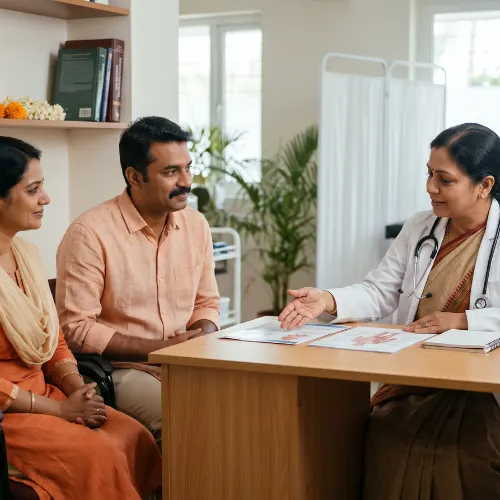
Keep the list short and write the answers down.
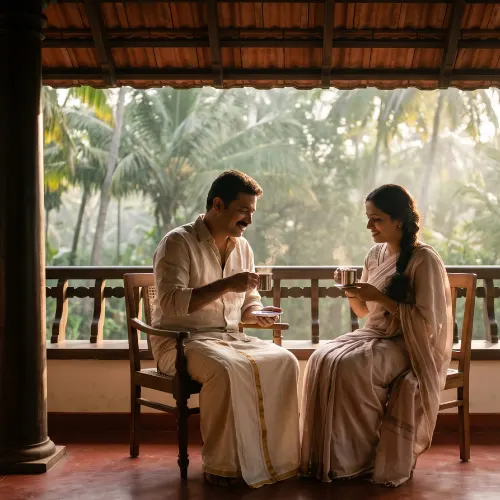
Treatment can stretch across many months, and the strain rarely falls evenly on both people. Agree how much you will discuss it at home and how much you will leave alone. Choose a pooja for childless couples that you can attend together, because a shared quiet hour sometimes does what a long conversation cannot. If sadness or tension starts to crowd out everything else, speak with a counsellor or your doctor. Asking for that help sits comfortably beside faith.
Faith and medicine answer different questions. One asks what is happening in the body; the other asks how you carry on the waiting. Keep your doctor’s plan intact, choose rituals that fit around it, and refuse anyone who sells certainty. Couples looking into temple rituals for fertility can read the published visiting hours at Kalarikkal Sri Vishnumaya Chathan Swami Temple, which lists morning doors from 6 AM to 1 PM and an evening session from 5:30 PM to 7 PM, then plan around clinic days. What would make the waiting feel lighter this month, a frank talk with your doctor or a quiet hour together?
This article is general information, not medical advice. Please speak with a qualified fertility specialist about your own treatment.
Mostly, yes. Keep every appointment, tell your doctor about any fast or special diet beforehand, and never skip medicine for a ritual. If the doctor says no to a particular fast, that call wins.
Santhana means child, so it’s a prayer or offering made for one. Families usually talk to a priest first, and the ritual gets shaped around the couple’s situation. It’s a faith practice, not a medical step.
No. Anyone who says otherwise is selling something. Temples that are straight with devotees say outcomes can’t be promised. Prayer supports you emotionally while doctors handle the medical side.
Start with the doctor if you can. A specialist can look into what’s happening medically, which no ritual can do. Many couples book the clinic first and fit temple visits around those dates.
Be kind but firm. Tell them you’re doing both, and invite them along to the temple. Treatment decisions stay with you, your partner, and your doctor.

Kalarikkal Vishnumaya Chathan Temple in Kerala, founded by astrologer Kalarikkal Velayudhan, attracts devotees worldwide for blessings and prosperity.
© . Kalarikkal Sri Vishnumaya Temple. All Rights Reserved. | Powered by SilverHost
© 2025 Kalarikkal Shri Vishnumaya Temple
All Rights Reserved | Powered by SilverHost